 It was very time consuming to come up with a name for our film that would suit it well, so we made a mind map and had all our class mates and teachers to help us. we decided on "Close Cut".
Wednesday, 8 March 2017
NAMES
It was very time consuming to come up with a name for our film that would suit it well, so we made a mind map and had all our class mates and teachers to help us. we decided on "Close Cut".


ANALYSIS OF EXISTING A-LEVEL MEDIA THRILLER OPENINGS
in this post i will be analyzing two existing a-level openings.
the first one is called captive we watched this in class once, then discussed its features.
- the titles stand out
- establishing shot linking into the title
- all the different camera shots used
- soundbridges
- flash backs
- highpitched music
- continuity
- montage of quick shots
in this post i will be analyzing two existing a-level openings.
the first one is called captive we watched this in class once, then discussed its features.
- the titles stand out
- establishing shot linking into the title
- all the different camera shots used
- soundbridges
- flash backs
- highpitched music
- continuity
- montage of quick shots
this is the second one we watched and discussed as a class what we liked about it.
- jump cut shots
- over the shoulder shots
- POV shots
- quick fast shots
- different variety of shots used.
Tuesday, 28 February 2017
Props List
The props we used are:
- Scissors
- String
- Cork Board
- Pens
- Phones
- Ear Phones
- Pictures
- Glues
- Pins
- Plastic zip lock bags
This is a list of the props we used in our opening sequence
Friday, 13 January 2017
Thoughts for our Music for our Thriller
Today
our group searched for music to suit our thriller film, first we thought of the
music that was in the film 'Insidious' called 'Tip Toe Thru The Tulips'.
This
is the song they used in the film, it is very contrapuntal because it is a very
up lifting song however it fits the movie perfect as it makes it very creepy
and the words fit the scene.
But
then we thought we needed songs that are to do with hair or about cutting hair,
so we searched for 'Songs with hair in the lyrics' and this came up: http:
//www.houstonpress.com/music/the-10-best-songs-about-hair-6519168
The first song that came up
was called 'Cut your hair' by 'Pavement'
This song fits our thriller perfectly because it talks about
cutting peoples hair and not caring. We want the music to be contrapuntal
because we really like the idea of the music being different to the movie but
it also fits it.
Friday, 11 November 2016
Thriller directors and their sub-genres

Brian De Palma is one of the
well-known directors who spear-headed the new movement in Hollywood during the
1970s. He is known for his many films that go from violent pictures, to
Hitchcock-like thrillers.

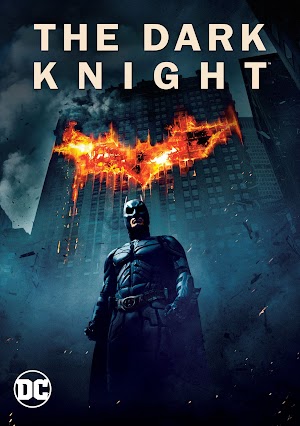
 Christopher Nolan is the
highest grossing and one of the most successful filmmakers in the 21st century.
Nolan created his first thriller in 2002 which was insomnia; this is the only
film that Nolan directed without receiving at least a share of one of the
writing credits, although he wrote the final draft of the script. Nolan has
created some of the most famous action thrillers for example: the dark knight
trilogy, inception, and interstellar.
Christopher Nolan is the
highest grossing and one of the most successful filmmakers in the 21st century.
Nolan created his first thriller in 2002 which was insomnia; this is the only
film that Nolan directed without receiving at least a share of one of the
writing credits, although he wrote the final draft of the script. Nolan has
created some of the most famous action thrillers for example: the dark knight
trilogy, inception, and interstellar.
One of the most famous
British thriller directors was Alfred Hitchcock; he became renowned as
England's best director, because he made exceptionally good silent films.
Hitchcock was mostly famous for creating: psycho, vertigo and rear. He directed
a lot of different types of thriller for example; horror, mystery, romance,
action, adventure and crime. Most of his work was mystery thrillers.

Codes and Conventions of opening sequences
The purpose of a film opening is to engage the audience, make them want to continue watching the film. An opening sequence should establish the genre these are some ways that this can be done:
- A wide landscape shot can set the scene straight away. Showing the audience where the scene is located.
- Titles, titles can show the genre of the thriller for example if it is in scary righting usually means it is a horror.
- An action scene is used a lot, this mainly consists of a fast pace chase scene, or a scene that is straight into the battle, it will then end in something bad about to happen but doesn’t actually show you which makes you want to see the rest of the film to see what happens.
- Narrations can establish the character, tell you about them, their background etc.
Existing A level films
This is another existing A level media
film called Captive which we also looked at in class, we watched it once then
discussed what we liked about it and then we watched it again to really dig
deep into the piece and looked at the different types of editing, sound, camera
work and the mise en scene:
- Non-centred shots
- Titles and how they move and jump around
- Establishing shot links into the title
- The security camera angles
- Flashbacks
- Sound bridge
- Silence or no dialog
- Music builds up suspense
- High pitched string instrument
- Montage of quick shots
- Reflection in the puddle
- Continuity of titles
- Extreme close ups
- POV Shot
- Fast paced editing
This was an existing A level film
called exemption which we looked at in class, we made notes of what we liked
about the film so we could try and include them in our opening sequence. Some
of these points are:
- Titles, my group liked the way the titles came on and went off the
screen.
- Editing/Overlay, we liked the way the scenes faded into other
frames.
- We liked the way the music stopped and the titles appeared.
- Montage of close ups.
- Extreme close ups.
- POV shots.
- The music and the action start at the same time.
- Builds tension using fast shots.
- Jump cut shot.
- Over the shoulder shot.
Subscribe to:
Posts (Atom)